Without a doubt, many items can influence your credit report and tank your own score
Paying past the due date could drop your score by a significant number of factors. The reason for the simple fact is that on-time payments contribute considerably to a credit report. Worse still, your credit rating could get affected severely if your score is currently low. Making late payments is sometimes understandable due to some financial catastrophe. In the event that you experienced some problem, your loan issuer may comprehend and give you a bit of grace period. If you always make overdue payments, prospective creditors could see you at another perspective. The loan issuers can report an overdue payment to the agencies if you make it late than 30 days. Going beyond this window could influence your ability to find further loans from potential lenders. Continuous delinquencies would make creditors perceive you as a speculative debtor. That said, if you make timely payments continually, you are going to have the upper hand in borrowing.
 In a nutshell, your own credit report entails your present financial situation and debt volume. You will qualify for a standard checking account when you have a good credit history. If that is not the case, your choices to get a checking account may be restricted to another account. Additionally, withdrawing, depositing, final, or using several accounts wouldn't impact you. When you have an overdraft, clearing the charges on time would remove it in the report. On the other hand, the overdraft might seem if the bank turns the amount to a set. There are limited situations when a checking account would influence your score considering these factors. During program, some banks can execute a soft inquiry on your credit report. Mainly two components can drop your credit score — a hard question and overdraft protection.
Your credit report only entails your own debt and existential credit situation. Primarily, you will qualify to operate a typical checking account if you've had a fantastic history. Nonetheless, you may need to consider other options if you have a poor history. A checking account with a financial institution wouldn't have any impact on you personally. Unless you clear all invoices on time, an overdraft would appear on your account. If the bank turns the bill to a collection, the overdraft might show up on the account. There are limited situations when a checking account would affect your score thinking of these factors. Some banks may check your credit report before approving your application for a checking account. Fundamentally, program for overdraft protection along with an inquiry could affect your credit score.
Without a doubt, many items can affect your credit report and tank your score. Essentially, credit repair is the procedure for repairing your credit by minding the detrimental entries. Charge repair might be as straightforward as disputing the negative things with the respective bureaus. If such an incident occurs, you may need to engage a credit repair business or agency. Since fixing fraud issues entails a great deal of legal complexities, you might have to hire a repair firm. Fraud and identity theft involves well-connected criminal actions; you are going to require a repair firm. Certainly, unraveling these chains can be an uphill task if you do it all on your own. Though many people solved this matter independently, involving a provider is usually the best approach. Without a doubt, several credit repair procedures entail complex phases you'll need to experience. Whichever the case, you might complete the repair process by yourself or involve a repair firm.
Our bills range from credit card payments, mortgages, telephones, Credit Score and utility payments. However, if you do not make timely payments, loan issuers would come to their own possessions. Generally speaking, these attempts, also known as sets, can have a negative impact on your credit rating. While paid collections have significantly less impact on your score, unpaid collections can badly affect you. Your score will drop based on a few variables if one of your accounts goes into collection. If your score is significantly high, you are going to lose more points than someone with a small number of points. Remember that creditors report each missed payment as«late payment» to the bureaus. But if you fail to pay penalties or bring your accounts to standing, you may encounter a collection. Your credit rating will begin dropping after your account goes into collection. To prevent collections, you should make timely payments and maintain good financial habits.
We all pay bills — ranging from bank cards to loans, phones, and lines of credit. However, if you do not make timely payments, loan issuers would come for their belongings. Every collection adds to a credit report and will cripple your loan negotiation ability. In the latest FICO versions, paid collections won't damage your score, however, outstanding ones surely will. When one of your accounts goes into group, your score falls depending on a few distinctive factors. If you've got a high score, you are going to lose more things than someone with few points, and the converse is true. If you skip a payment, your creditor would record it to the agencies as«payment.» However, if you fail to pay penalties or bring your accounts to standing, you might encounter a collection. Once your account enter collection, you will immediately see your credit score falling. Considering deleting a collection takes a great deal of money and time, making timely payments would be the ideal strategy.
In a nutshell, your own credit report entails your present financial situation and debt volume. You will qualify for a standard checking account when you have a good credit history. If that is not the case, your choices to get a checking account may be restricted to another account. Additionally, withdrawing, depositing, final, or using several accounts wouldn't impact you. When you have an overdraft, clearing the charges on time would remove it in the report. On the other hand, the overdraft might seem if the bank turns the amount to a set. There are limited situations when a checking account would influence your score considering these factors. During program, some banks can execute a soft inquiry on your credit report. Mainly two components can drop your credit score — a hard question and overdraft protection.Your credit report only entails your own debt and existential credit situation. Primarily, you will qualify to operate a typical checking account if you've had a fantastic history. Nonetheless, you may need to consider other options if you have a poor history. A checking account with a financial institution wouldn't have any impact on you personally. Unless you clear all invoices on time, an overdraft would appear on your account. If the bank turns the bill to a collection, the overdraft might show up on the account. There are limited situations when a checking account would affect your score thinking of these factors. Some banks may check your credit report before approving your application for a checking account. Fundamentally, program for overdraft protection along with an inquiry could affect your credit score.
Without a doubt, many items can affect your credit report and tank your score. Essentially, credit repair is the procedure for repairing your credit by minding the detrimental entries. Charge repair might be as straightforward as disputing the negative things with the respective bureaus. If such an incident occurs, you may need to engage a credit repair business or agency. Since fixing fraud issues entails a great deal of legal complexities, you might have to hire a repair firm. Fraud and identity theft involves well-connected criminal actions; you are going to require a repair firm. Certainly, unraveling these chains can be an uphill task if you do it all on your own. Though many people solved this matter independently, involving a provider is usually the best approach. Without a doubt, several credit repair procedures entail complex phases you'll need to experience. Whichever the case, you might complete the repair process by yourself or involve a repair firm.
Our bills range from credit card payments, mortgages, telephones, Credit Score and utility payments. However, if you do not make timely payments, loan issuers would come to their own possessions. Generally speaking, these attempts, also known as sets, can have a negative impact on your credit rating. While paid collections have significantly less impact on your score, unpaid collections can badly affect you. Your score will drop based on a few variables if one of your accounts goes into collection. If your score is significantly high, you are going to lose more points than someone with a small number of points. Remember that creditors report each missed payment as«late payment» to the bureaus. But if you fail to pay penalties or bring your accounts to standing, you may encounter a collection. Your credit rating will begin dropping after your account goes into collection. To prevent collections, you should make timely payments and maintain good financial habits.
We all pay bills — ranging from bank cards to loans, phones, and lines of credit. However, if you do not make timely payments, loan issuers would come for their belongings. Every collection adds to a credit report and will cripple your loan negotiation ability. In the latest FICO versions, paid collections won't damage your score, however, outstanding ones surely will. When one of your accounts goes into group, your score falls depending on a few distinctive factors. If you've got a high score, you are going to lose more things than someone with few points, and the converse is true. If you skip a payment, your creditor would record it to the agencies as«payment.» However, if you fail to pay penalties or bring your accounts to standing, you might encounter a collection. Once your account enter collection, you will immediately see your credit score falling. Considering deleting a collection takes a great deal of money and time, making timely payments would be the ideal strategy.
 We all make payments at the end of the month — from telephone to utilities and lines of credit. If you don't fulfill your financial obligations on time, lenders will make efforts to collect their money. Every collection adds to your credit report and will cripple your loan negotiation capability. In the latest FICO models, paid collections will not damage your score, however, unpaid ones certainly will. When one of your account goes into group, your score falls depending on a few distinctive facets. If your score is high, you are going to lose more things than a person with a handful of points. Remember that each missed payment is reported as«late payment» to the 3 credit bureaus. If you don't restore your accounts from its bad state, you can experience a collection. The moment an account is reported a set, you'll immediately experience a plummet on your own score. Since it takes a very long time to resolve a collection, making timely payments is the ideal strategy.
 According to the FCRA, it is possible to dispute any negative element in your credit report. Mostly, if the credit bureau can't confirm the information, it has to delete it. Since no entity is foolproof of creating mistakes, credit information centers have some errors in customer reports. The FCRA reports that approximately 1 in every 5 Americans (20%) have errors in their credit reports. Your credit report is directly proportional to a own score, meaning that a bad report could hurt you. Your score dictates your own creditworthiness in almost any credit card application of conventional loans. In several conditions, a poor credit rating could influence your ability to get good quality loans. It is vital to focus on removing the negative entries from your report maintaining this element in mind. Late payments, bankruptcies, hard inquiries, paid collections, and deceptive activity can impact you. Since damaging components on a credit report may affect you, you need to try and remove them. There are distinct ways of removing negative items, and among these is a credit repair firm. Most customers demand a repair company whenever there are lots of legal hoops and technicalities to maneuver. To make certain you go through each of the steps easily, we have compiled everything you need to learn here.

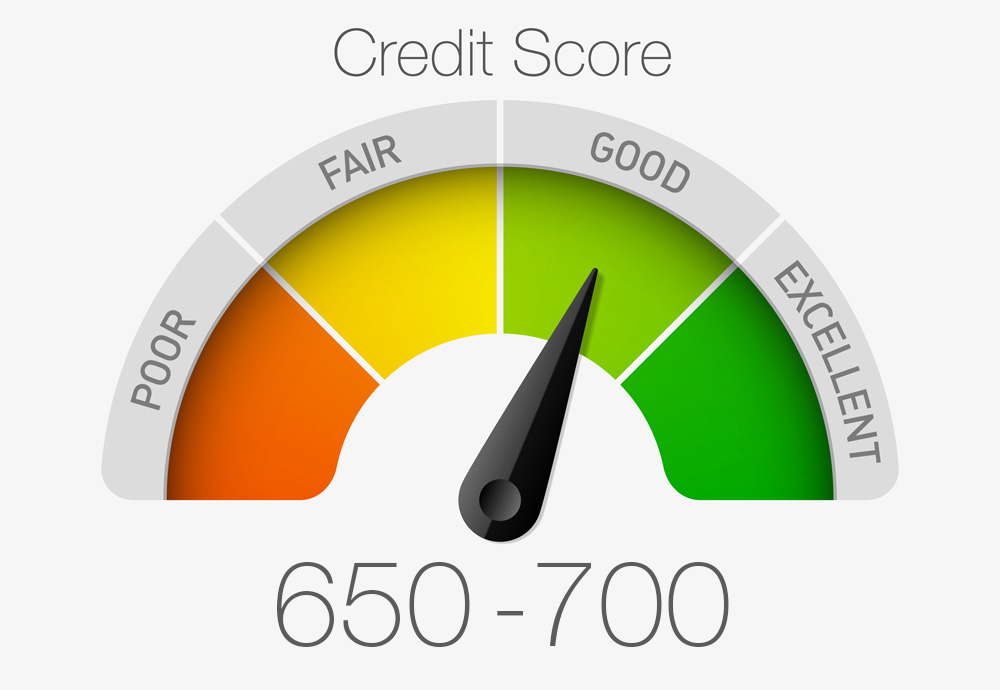
 In case your application was unsuccessful, you might open another chance checking accounts. If your application for a typical checking account is not fruitful, second chance checking will be perfect. During acceptance, the lender would consult with the ChexSystems database. ChexSystems is a data centre to which many banks report poor credit utilization. In case your data appears in ChexSystems, it means you don't have a fantastic repayment history. Your probability of success are entirely determined by whether your records seem in ChexSystems. A couple of credit unions and banks offer second chance accounts that will help you reconstruct a good report. However, there's a disparity between these accounts and a typical checking account. Without a doubt, second chance checking accounts have advantages and disadvantages. Even though it's possible to use second chance checking accounts to rebuild credit, they generally have high fees. Additionally, there's not any provision for an overdraft program in another chance checking account. Despite the drawbacks, the second chance checking is far better than bonded credits card or check-cashing.
 If you beloved this write-up and you would like to acquire extra information regarding